The Chemistry of the Energy Revolution.
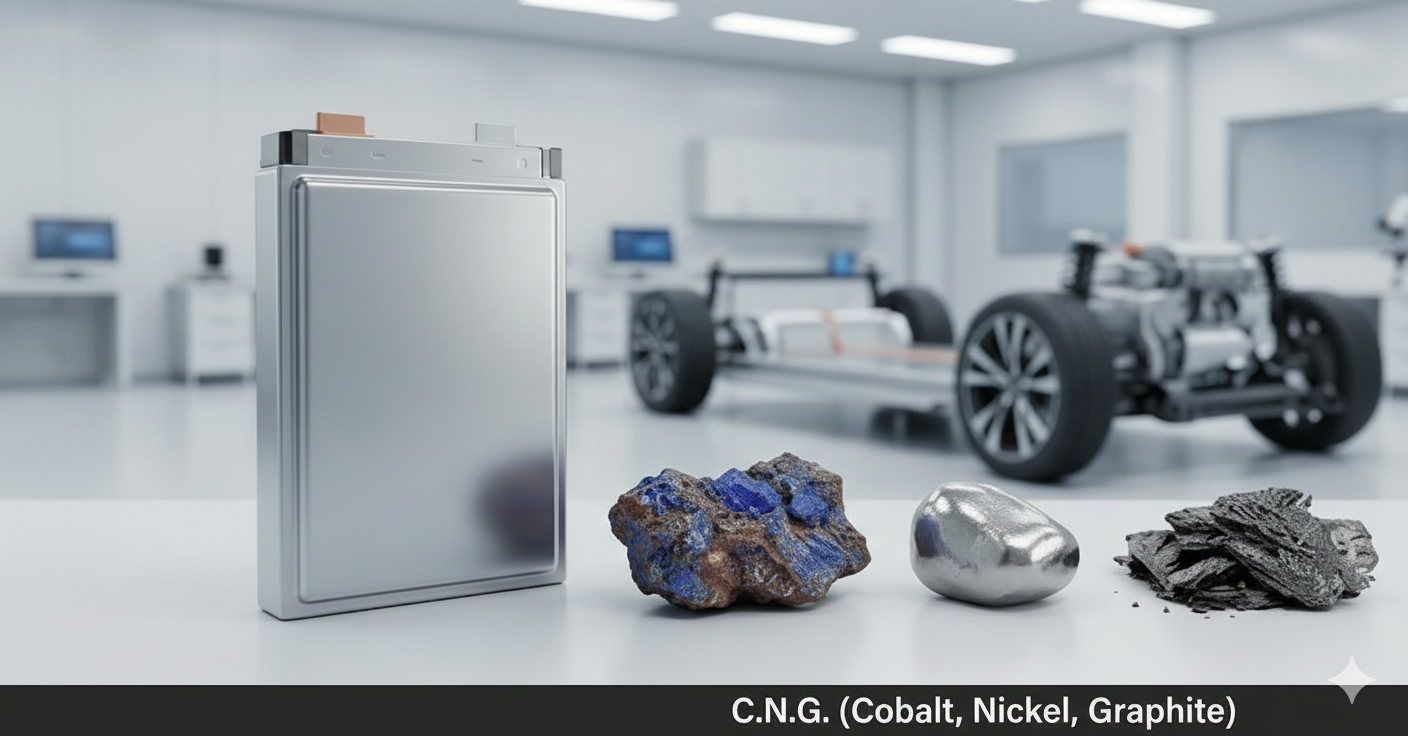
High-purity Cobalt, Nickel, and Graphite—the essential triad powering the global shift to Electric Vehicles (EVs) and Energy Storage.
Overview:
While Lithium grabs the headlines, the performance, range, and safety of a Lithium-Ion battery are actually determined by the “C.N.G.” group. These minerals form the cathode (positive) and anode (negative) of the battery cell.
As the world builds “Gigafactories” to meet net-zero targets, Gondwana Minerals is positioned to supply the massive volumes of battery-grade feedstock required.
Our Key Battery Metal Portfolio:
Cobalt ($Co$): The Stabilizer.
- Role:Cobalt is the safety mechanism of the battery. It stabilizes the cathode chemistry, preventing overheating and combustion while extending the battery’s life cycle.
- The Gondwana Promise:Cobalt is the most supply-constrained battery metal and faces significant ethical challenges globally. Gondwana Minerals guarantees 100% ethically sourced, conflict-free Cobalt with full blockchain traceability from shaft to shelf.
Nickel ($Ni$): The Range Extender.
- Role:Nickel provides energy density. Higher Nickel content allows for more energy storage in a smaller package, directly translating to longer driving ranges for EVs.
- Asset Focus:We target Class-1 Nickel Sulphide deposits, which are lower energy to process into battery-grade Nickel Sulphate compared to the lower-grade laterites used in steel production.
Graphite ($C$): The Anode Architec
- Role:Graphite makes up the anode—the negative side of the battery. Surprisingly, a lithiumion battery contains more graphite by volume than lithium. It acts as the host structure that stores lithium ions during charging.
- Sustainability:We focus on Natural Flake Graphite. Mining natural graphite has a significantly lower carbon footprint than creating synthetic graphite from petroleum coke, making our product the preferred choice for “Green EVmanufacturers.
Strategic Value:
The demand for these three minerals is projected to grow by 500% to 1000% by 2030. Gondwana Minerals offers a strategic advantage by securing high-grade assets in stable jurisdictions, providing automakers and battery manufacturers with the reliable, long-term supply agreements necessary to scale their production.
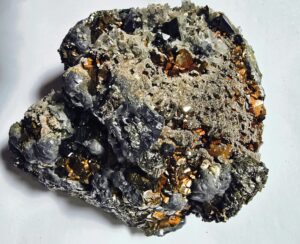
Cobalt
Nickel
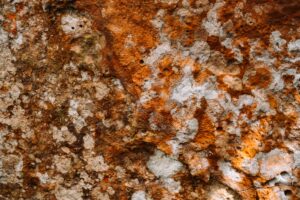
Graphite