
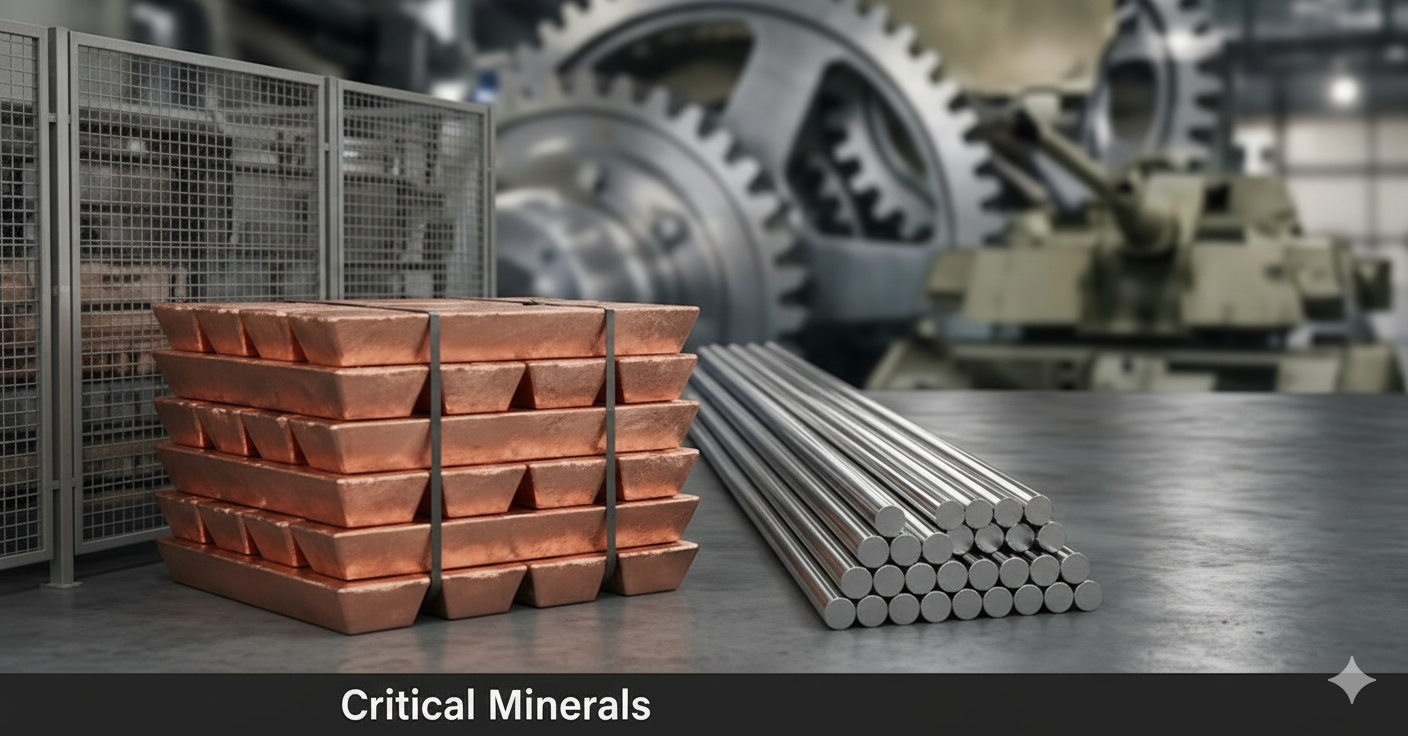
The Nervous System of Modern Infrastructure.
Securing the foundational elements required for national security, industrial independence, and the green energy transition.
“Critical Minerals” are defined by their high economic importance and high supply risk. As the world moves away from fossil fuels, we are shifting from an energy system powered by fuel to one powered by minerals. Gondwana Minerals is dedicated to closing the “sovereign capability gap” by developing diversified, ethical supply chains for these strategic assets, reducing reliance on single-source monopolies.
Our Key Critical Portfolio:
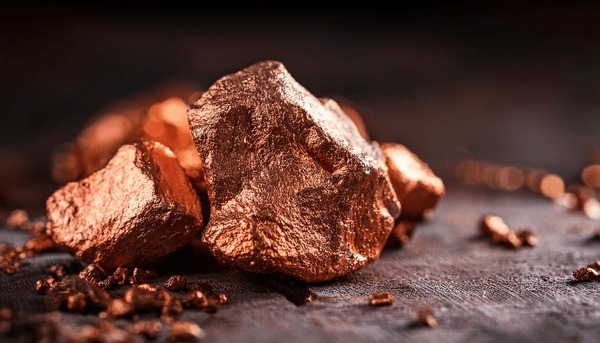
- Copper ($Cu$): The Metal of Electrification.
Grid Infrastructure:There is no energy transition without copper. It is the primary conductor for wind turbines, solar panels, and the expanded electrical grids required to support them.
Efficiency:Used in high-efficiency motors and transformers to reduce energy loss.
- Vanadium ($V$): The Green Storage Solution.
Grid-Scale Storage:The key component in Vanadium Redox Flow Batteries (VRFBs). Unlike lithium-ion batteries, VRFBs are non-flammable, do not degrade over time, and can store vast amounts of renewable energy for utility grids.
- Tungsten ($W$): Industrial Strength.
Heavy Industry:With the highest melting point of all metals, Tungsten is irreplaceable in machine tools, drill bits, and manufacturing equipment.
Defense:A strategic metal used in armor-piercing projectiles, vibration damping, and aerospace superalloys due to its extreme density and heat resistance.
- Lithium ($Li$): The Energy Carrier.
Portable Power:While central to EVs, Lithium is also the backbone of the consumer electronics sector (laptops, phones) and enables the portable power that defines modern life.
Strategic Value:
Investment in Critical Minerals is an investment in national resilience. By securing these assets, Gondwana Minerals supports not just the technology of tomorrow, but the defense systems, manufacturing base, and power grids of today. We ensure that the essential materials for modern life are sourced responsibly and reliably.
COPPER
Industry challenge
High-grade copper deposits are scarce worldwide, while low-grade ore bodies are more common. The process of improving these low-grade resources is costly. Developing productive mines and concentrators requires billions of dollars in investment and many years of work.
Currently, costs are rising for both open-cast and underground mining operations. Existing mines are forced to dig deeper, resulting in less pure ore.
Furthermore, copper mines are often situated in remote areas. This necessitates transporting the concentrate to smelters, either by road, rail, or sea. This infrastructure needs to be constructed before transportation begins.
Despite these challenges, the copper mining industry has made significant progress in sustainability, particularly in developed countries. Emerging economies are also making strides in adopting modern practices that prioritize environmental concerns. The industry is increasingly eco- friendly.
After the copper product is converted to cathode, its market price is determined by global supply and demand. These factors, along with stringent government regulations for operational permits, highlight the complex challenges faced by the copper industry today.
Capabilities
Electrowinning & electrorefining
To produce LME-grade cathode copper, modern electrowinning and electrorefining refineries are essential. Our team specializes in designing these facilities and offers technological solutions to reduce production expenses.
Smelters
Today’s smelting technologies must be harmonized with operational culture to promote sustainability. Our furnace technology surpasses industry norms, offering specialized operational proficiency.
Process support services
Top player in flash train design within the industry, covering aspects such as digester and piping, three-phase flow regimes, and equipment selection for vessels and pumps
Oxide copper leaching and modeling
We have the ability to tailor heap-leaching designs, heap modeling, and process enhancements to maximize copper recovery.
Electrometallurgy & solvent extraction
Our clients in both small and large-scale electrowinning and electrorefining facilities need to maximize productivity, cathode quality, and standards for safety. We help them with all. Our multidisciplinary electrometallurgy and solvent-extraction technology group has strong operating systems and design experience
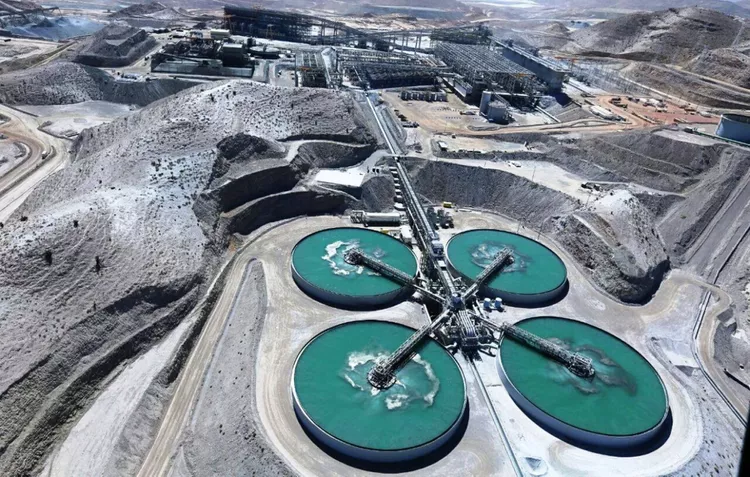
Cerro Verde II - Peru (500 kt)
Cerro Verde copper mine, located 20 miles southwest of Arequipa in Peru, has been operational in its current form since 1976.4 Freeport-McMoRan, which holds a 54% interest, is the mine’s operator. Other stakeholders include SMM Cerro Verde Netherlands, a subsidiary of Sumitomo Metal (21%), Compañia de Minas Buenaventura (19.58%), and public shareholders through the Lima Stock Exchange (5.86%).
LITHIUM
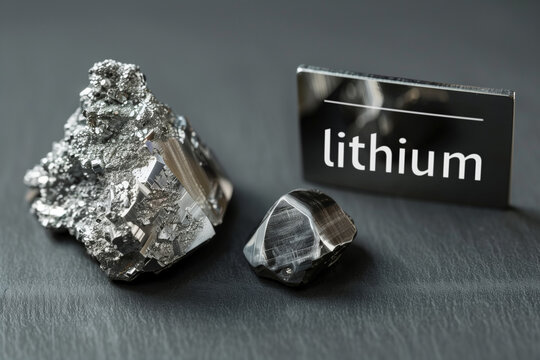
Industry challenges
The advancement of electric vehicles and large-scale energy storage owes much to the high power density and mature technology of lithium-ion batteries. Furthermore, smaller rechargeable lithium batteries have become ubiquitous, powering a range of portable electronic devices such as computers and cell phones.
The surging demand for lithium chemicals is driving rapid growth in the industry, yet this growth is accompanied by a concerning rise in costs. While lithium chemicals constitute a minor portion of the overall cost of lithium-ion batteries, their pricing remains relatively insensitive to fluctuations in demand. Recent reports from China indicate lithium carbonate prices exceeding $15,000 per ton, highlighting a shortage of spodumene, a primary source of lithium from hard-rock mining. This scarcity underscores the necessity for new suppliers and bolstering existing industry infrastructure.
The purity of lithium chemicals used in batteries is paramount to prevent malfunctions or hazardous incidents. The process of converting hard rock or lithium brines into usable chemicals necessitates substantial quantities of hazardous materials, demanding meticulous handling and oversight. Robust design and management protocols must be in place throughout the production facility and supply chain to safeguard both the community’s well-being and environmental integrity.
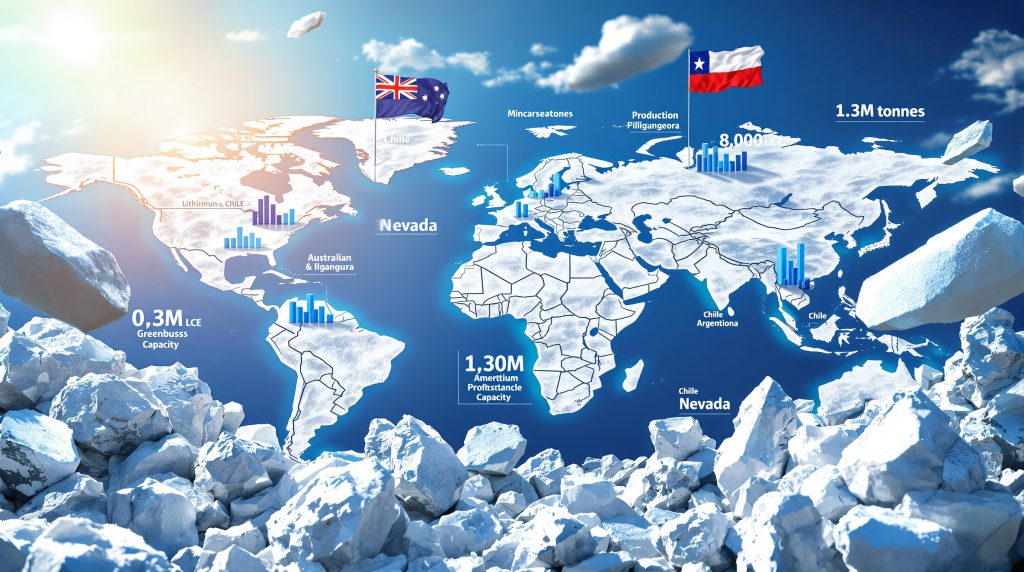
The lithium mining sector has emerged as one of the most critical components of the global energy transition, with gina rinehart lithium project approval representing just one example of how major investors are positioning themselves in this transformative market. These mining operations span across continents to meet surging demand from electric vehicle manufacturers and energy storage developers, representing billions of dollars in infrastructure investment and decades of operational expertise.
Understanding the Global Lithium Mining Landscape
Investment decisions in the lithium sector require deep understanding of which operations can deliver consistent, high-volume production at competitive costs. The largest lithium mining operations serve as benchmark assets that often dictate global pricing trends and supply availability for downstream manufacturers. Furthermore, for institutional investors and fund managers, exposure to these top-tier operations provides portfolio diversification benefits while capturing the structural growth in battery metal demand.
Market participants closely monitor production capacity expansions, reserve upgrades, and operational efficiency improvements at major lithium facilities. These factors directly influence lithium carbonate equivalent pricing and create investment opportunities across the entire value chain. However, understanding regional market dynamics, such as argentina lithium brine insights, remains crucial for comprehensive investment analysis.
Capabilities
Process Development and Design
The extraction of lithium occurs from either brine sources or hard rock minerals like spodumene and clays. Given the distinct characteristics of each deposit, it is imperative to tailor the processes to suit the optimal business scenario. With an in-depth comprehension of the diverse methods currently in use or under development for generating lithium carbonate and lithium hydroxide, we are well-equipped to assist in determining the most effective strategies for your enterprise.
Studies and Design Reviews
Having conducted more than 20 studies on lithium chemicals, we have successfully introduced the bicarbonation purification process for lithium carbonate in the lithium industry. This innovation has facilitated the precise production of high-purity battery-grade products, leading to enhanced sustainability in our clients’ business operations.
Process Support Services
For newcomers in the lithium industry, navigating the complexities can be challenging. Our expertise lies in providing comprehensive economic analyses, establishing industry connections, and meticulously planning and executing laboratory and pilot-plant trials to validate process flow sheets. Moreover, our environmental services play a crucial role in shaping project timelines by integrating permitting considerations early in the project development phase. Addressing aspects such as tailings disposal, pond design, and managing reagent-supply logistics are pivotal for ensuring the success of new ventures in the industry.
Safety Reviews and Commissioning
In lithium chemical plants, the utilization of hazardous chemical reagents at elevated temperatures necessitates a meticulous approach to health, safety, environment, and community welfare as primary design factors. Our commitment to safety drives our tailored design plans to align with your operational capacities. Our proficient global teams specialize in commissioning plants and enhancing operational efficiency. Regardless of your location, we expedite the transition of your operations into full-scale production promptly.
Plant Design
Securing capital poses a significant challenge for businesses of any scale. In order to cater to the needs of smaller capital-intensive plants ranging from $100 million to $600 million, we have honed our expertise in designing plants within the “sub-billion-dollar” range. Emphasizing quality classification of facilities at the project’s inception, cost-efficiency remains a central theme throughout the design phase. A robust 3D layout and the selection of suitable construction materials play pivotal roles in ensuring project success..
Consulting
Introducing new operations within the competitive lithium market can present significant challenges. Leveraging our profound expertise in processes and financial analysis empowers us to conduct comprehensive technical and financial due diligence studies..
NICKEL
Industry challenges
Nickel plants represent some of the most intricate metallurgical facilities globally. The design, construction, and operation of these substantial operations pose numerous challenges and hurdles for companies. Executives and shareholders, who meticulously assess every capital investment, anticipate a profitable outcome, underscoring the critical need for these facilities to realize their full potential.
The processing of nickel encompasses a diverse range of technologies, spanning from concentration methods to pyrometallurgical and hydrometallurgical processes. Furthermore, the selection of processing routes introduces an additional layer of complexity to the decision-making process. Regardless of the chosen approach or encountered challenges, the paramount objective in the nickel industry remains maximizing output while minimizing costs to ensure sustainability and success.
Capabilities
Mining and mineral processing
With a widespread international footprint and extensive experience, the mining and mineral processing sector can confidently rely on our expert geo-scientist consultation and support. Our platforms offer reliable methodologies and resources that enhance operational efficiency, paving the way for groundbreaking opportunities and accelerated industry growth.
Pyrometallurgy
We help our clients with everything related to the pyrometallurgical processing of nickel—both sulfides and laterites. Our experience covers the entire smelting process, from receiving and preparing raw materials to tapping and casting metal and slag from the furnaces…and all the systems in between.
Hydrometallurgy
Our team of hydrometallurgy experts adeptly utilize cutting-edge technologies in nickel facilities. Proficient in various leaching methods and a wide array of purification techniques, we excel in processing and recovering nickel products. When it comes to metallurgy solutions, we can assess and suggest sulfate, ammoniacal, chloride, or nitrate-based options.
Operational Performance
The convergence of core operational enhancements with exceptional project execution yields integrated and adaptable solutions. This synergy leads to the attainment of critical business objectives and a significant enhancement in operational efficiency. Our outcome-driven strategy encompasses the entirety of the business process, from inception to conclusion.
GRAPHITE
Graphite is an excellent conductor of heat and electricity and also has the highest strength of any natural material. However, it wasn’t until recently that the metal began to gain popularity.
Interest in graphite mining is increasing in large part because lithium-ion batteries are becoming more common. These batteries are used in everything from phones to electric vehicles (EVs), and graphite is one of their key raw materials. Both synthetic and natural graphite, in the form of the intermediate product spherical graphite, are products that are used in the anodes of lithium-ion batteries. As lithium-ion battery demand grows, graphite demand is also expected to rise from nations around the world.
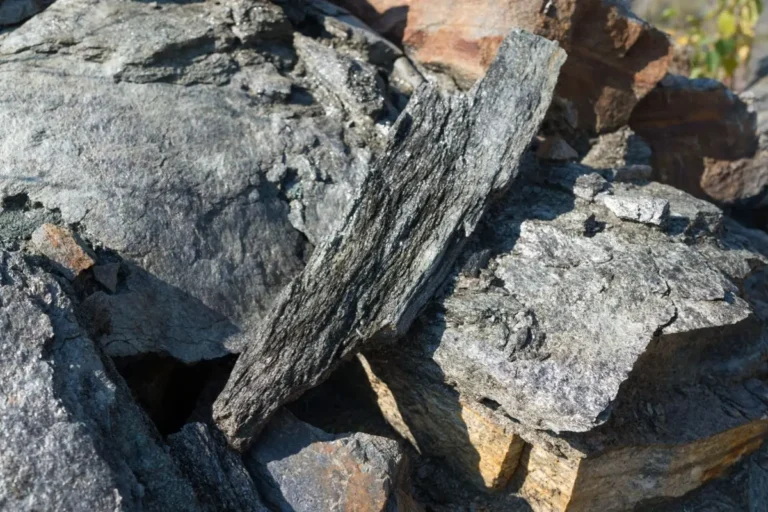
In fact, despite discussions on changes in lithium-ion battery chemistry, many experts think graphite will remain a key raw material in EV batteries for at least the next decade. Hence, demand for graphite from the battery anode segment is set to experience significant growth as electric car sales and the energy storage trend continue.
Fortune Business Insights projects that the global graphite market will experience a compound annual growth rate of 6.9 percent between 2025 and 2032 to reach a value of US$13.35 billion. “Increasing demand from the refractory industry and skyrocketing demand from the battery industry are creating a supply crisis, pushing different countries worldwide to consider securing their requirements,” the firm stated.
Where is graphite found?
Graphite is found in metamorphic and igneous rock in many regions of the world, but especially Asia and East Africa.
For any investor following the sector, it will come as no surprise that China is dominating both the mining and refining sides of the graphite market for natural and synthetic. China also hosts the world’s largest known natural graphite reserves at 81 million metric tons (MT). Brazil, Mozambique, Madagascar and Tanzania round out the top five largest graphite reserves by country, and also rank among the top 10 graphite producers.
Custom Graphite for Industrial Applications
GRAFSTAR Advanced Graphite is an ideal choice for customers across multiple industries with demanding applications requiring high strength, low thermal expansion, and superior conductivity. Through ongoing testing, grade formulation and machining, we develop innovative graphite material solutions for customers worldwide.